1. Executive Summary
Nexus Darknet functions as an advanced hidden service trading platform built on the Tor network infrastructure. Established in recent years to fill structural voids left by preceding decentralized networks, it has rapidly grown to accommodate a massive volume of digital and physical goods distribution.
Rather than operating with traditional centralized custodial wallets, the platform's administration prioritized a modern cryptographic approach, emphasizing multisignature logic and strict communication encryption. This analytical overview explores the systemic layout that underpins its operational resilience.
2. Historical Timeline
Initial Deployment & Genesis Block
Phase Alpha
The platform launched its primary onion routing layer, introducing basic escrow functionalities and forming the foundational code for user interactions. Initial currency support was limited to Bitcoin (BTC).
Monero (XMR) & Walletless Integration
Phase Beta
In response to expanding blockchain analysis capabilities, developers mandated secondary cryptocurrency alternatives, introducing XMR logic and a walletless payment routing system to minimize custodial risk.
Current Iteration: Infrastructure Hardening
Phase Gamma
Implementation of robust anti-DDoS clockwork mechanisms and PGP key isolation standards for all high-risk accounts. The platform currently operates highly clustered nodes to maintain 99.8% uptime.
3. Technical Architecture
Escrow & Multisig
Transactions are handled via a 2-of-3 multisignature cryptographic scheme. This ensures that no single party—including platform administrators—can autonomously move funds without mutual consent between transacting entities.
PGP Enforcement
Communications are strictly end-to-end encrypted. The system forces mandatory 2FA (Two-Factor Authentication) using asymmetric PGP keypairs, rejecting connections unverified against offline key signatures.
Walletless Routing
By abandoning the traditional hot-wallet centralized paradigm, funds are routed instantly upon network confirmation. This drastically reduces the attack surface for external breaches targeting consolidated asset pools.
4. Platform Interface Analytics
Fig 1. DDoS Protection Screen
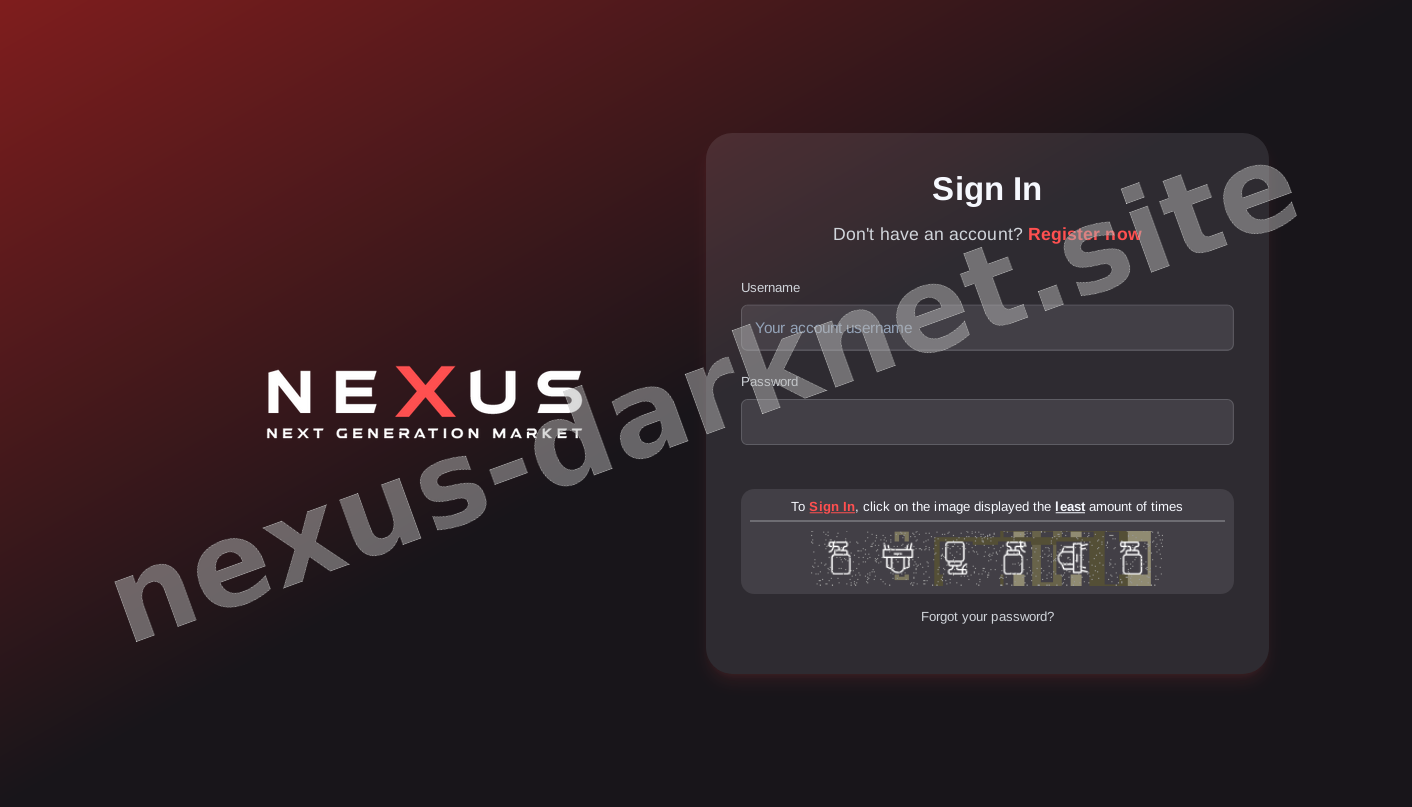
Fig 2. User Login Interface
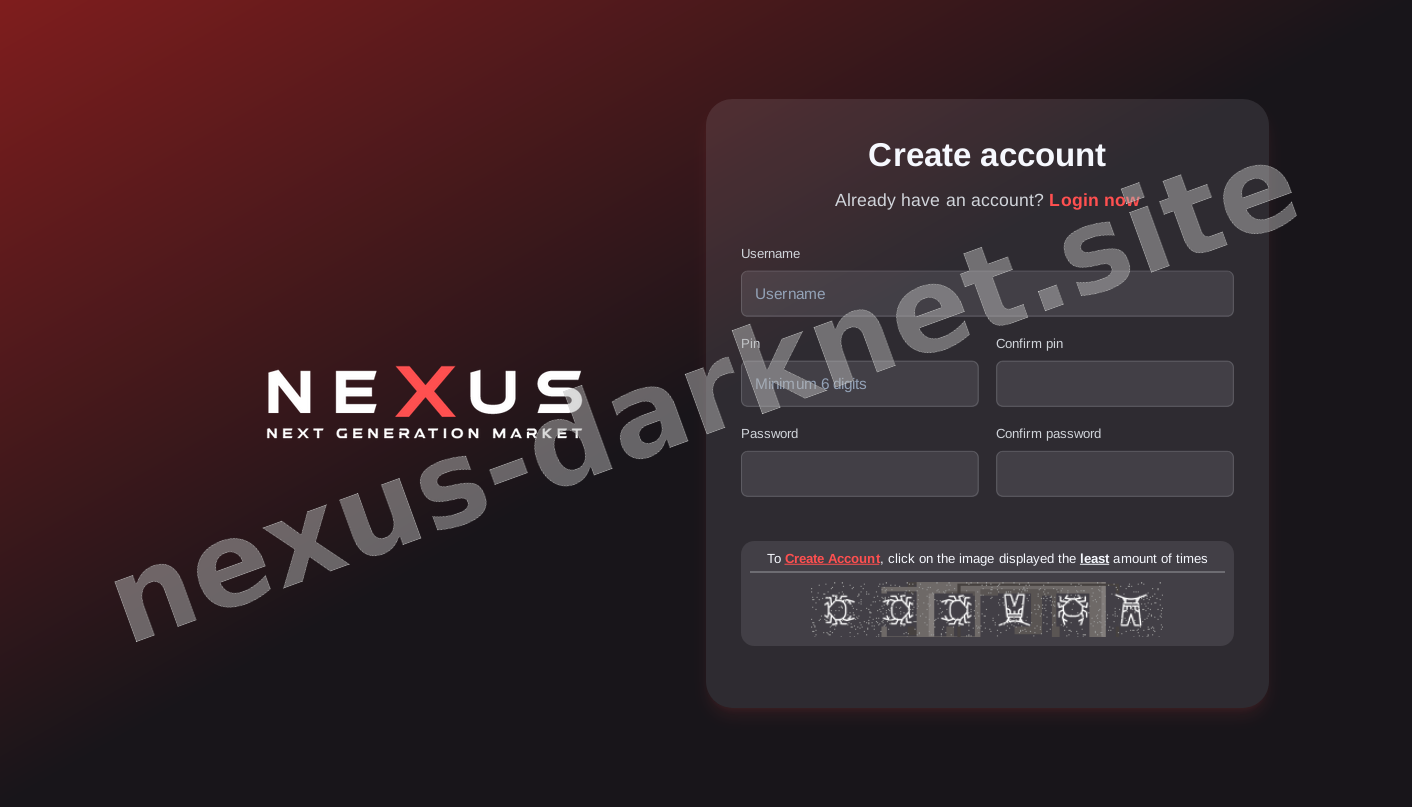
Fig 3. Account Registration Page
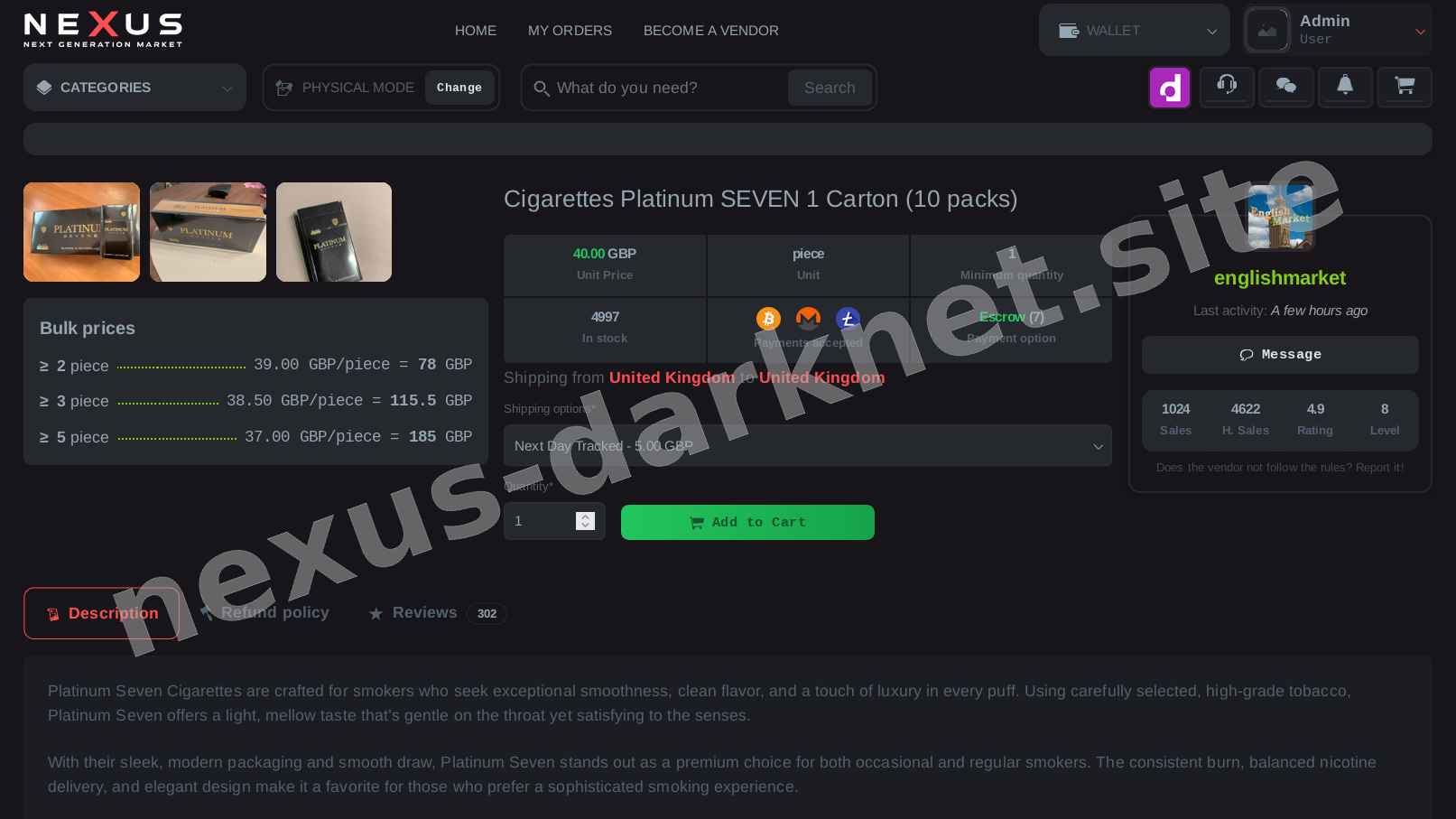
Fig 4. Main Market Dashboard
5. Ecosystem & Statistics
Data from independent node observers suggests a globally distributed client base managing thousands of concurrent routing connections. The establishment of strict merchant verification requirements—often involving mandatory security bonds and verified cryptographic identities—acts as a systemic filter against volatile network participants.
Client protection is enforced through automated dispute resolution timers and rigid adherence to escrow contracts. The collective reputation of the platform rests heavily on its decentralized architecture rather than central administration decrees.